
Hey there,
I hope you had a great weekend!
Every other Monday, I send out a roundup of the most relevant multifamily news and insights, curated from the perspective of both an operator and a passive investor.
Here's what stood out to me this week
News I found interesting:

Apartments are now America's most popular rental type, with large multifamily buildings accounting for roughly 1 in 3 renter-occupied units—the highest share since records began in 2011. Meanwhile, single-family homes have dropped to just 31% of rentals, their lowest level on record, reflecting 15 years of aggressive multifamily construction outpacing single-family development.
The wave of new apartment buildings has helped keep rent growth in check as supply has exceeded demand, though multifamily construction is showing signs of slowing with permitting returning to pre-pandemic levels. This trend comes as President Trump recently issued an executive order limiting institutional investors from purchasing single-family homes, though it includes exceptions for build-to-rent communities.
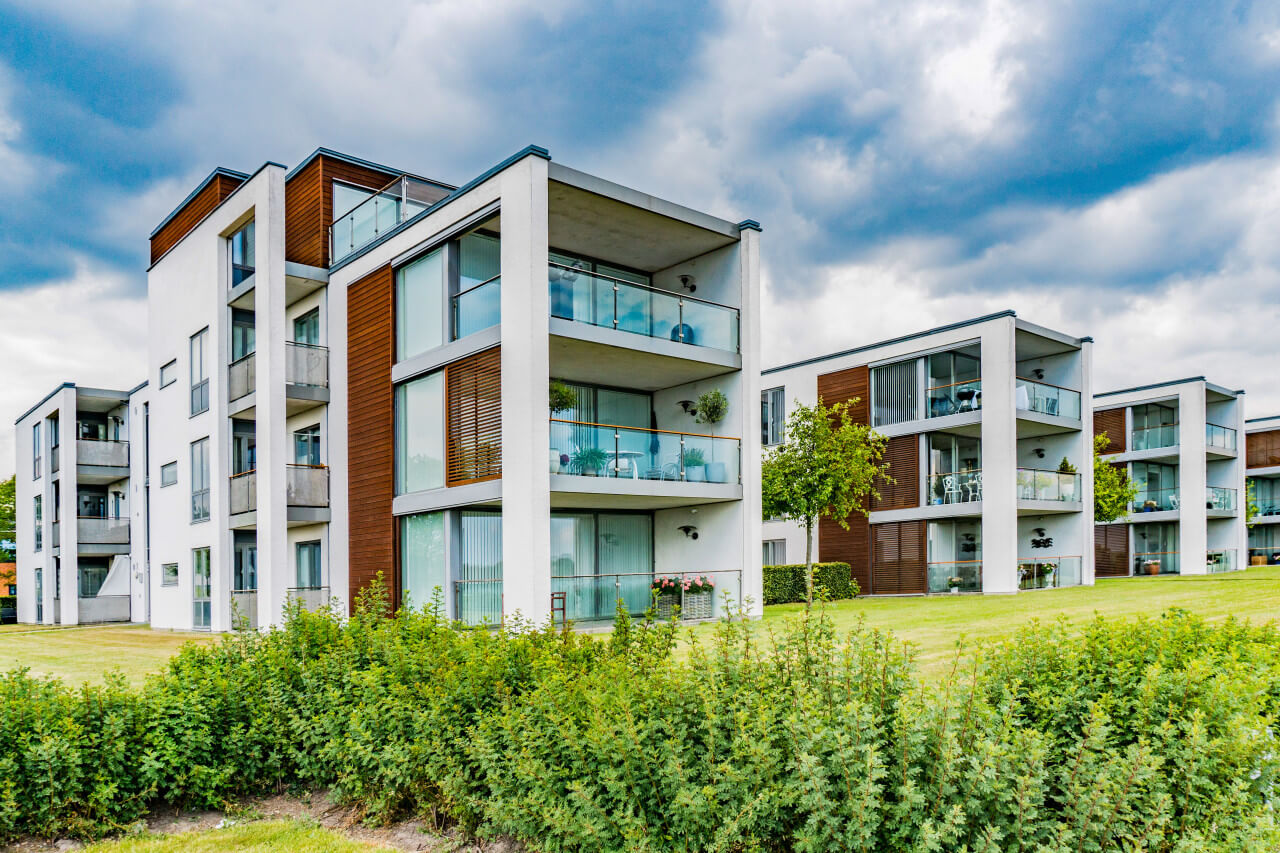
The U.S. apartment market faces several potential headwinds in 2026 despite relatively strong macroeconomic fundamentals, according to RealPage's chief economist Carl Whitaker. Key concerns include a cooling labor market that added fewer than one million jobs in 2025—the lowest since 2011 outside the pandemic—and persistently negative consumer sentiment that could dampen household formation and willingness to rent.
International immigration appears poised to hit its lowest level in decades, which will particularly impact states that rely heavily on foreign-born residents, while the rebalancing of domestic migration patterns may slow growth in Sun Belt markets already grappling with elevated supply. Though rent growth should improve as new deliveries decline from 2025's four-decade high, the recovery may be slower than expected as markets continue absorbing the massive wave of recent construction.
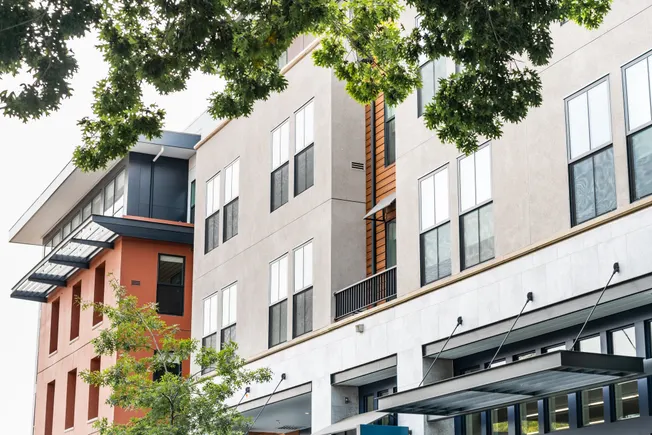
The multifamily sales market's long-awaited recovery keeps getting pushed back, but industry professionals are cautiously optimistic that 2026 could finally be the year transaction volume picks up. Key trends to watch include the narrowing bid-ask spread as buyers and sellers align on pricing expectations, potential distress from overleveraged properties as lenders stop extending loans, and renewed investor interest in Sun Belt markets as rental fundamentals stabilize with supply burning off. There's plenty of debt and equity capital available—Fannie Mae and Freddie Mac can lend up to $176 billion in 2026—but market volatility from Trump administration policies like tariffs continues to create uncertainty for investors. '
Meanwhile, smaller REITs like Aimco and Elme Communities are exploring liquidation strategies, while larger public apartment companies remain on the sidelines buying back stock until private market pricing becomes more attractive.
Content I found insightful:
What does the average interest rate for a homeowner's mortgage have to do with multifamily? Generally speaking, multifamily real estate benefits from more people simply just "moving around" more frequently. When there is higher transaction volume in the single-family sector, there is a trickle-down effect that creates more demand for apartments, as there are more individuals or families fundamentally in need of housing.
Multifamily real estate does not benefit from a stagnant single-family housing market, as it reduces the frequency of how often people are moving. As a result of an increasing number of homeowners carrying 6%+ mortgages, we're likely to see an increase in single-family transaction volume, which multifamily investors should welcome.
Podcast episode I want to highlight:
This episode is a personal one for me. Hitting 300 episodes of the podcast felt like the right moment to pause and reflect on how both the business and my thinking have evolved since I first hit record back in 2020. When I started the show, we owned 42 units and I didn’t have a single investor. Today, we’re managing north of 500 units and roughly $18M in equity, but the more meaningful change has been how differently I think about investing, growth, and what success actually looks like in this business.
In this episode, I walk through the lessons that shaped that evolution—from raising capital and expanding (and later contracting) markets, to building a property management company from scratch and learning why unit count alone is a terrible scoreboard. I share why I doubled down on New Hampshire, how my focus shifted from volume to efficiency and team culture, and what five years of consistency has taught me about long-term thinking in multifamily. This one’s part reflection, part masterclass—and an honest look behind the decisions, mistakes, and mindset shifts that got us here.
You can also listen to this episode on Spotify.
Business update I found relevant:

Fust closed: a 3-unit in Manchester, NH.
We put this deal under contract last year, before we decided to actively move away from buying small multifamily properties (2-4 units) heading into 2026.
The seller was someone we'd bought other properties from, and he brought this deal (the last in his portfolio) to us when he decided it was time to sell.
We negotiated seller financing on this building at a 5% rate while buying the property below market value. We'll be renovating 2/3 units within 90 days of closing and will then continue to hold for a couple of years, and sell/refi when the seller financing hits its term.
While we aren't actively looking to buy 2-4 unit properties moving forward (outside of what we put under contract late last year), we still speak with many sellers of these buildings from historical marketing we've done.
Moving forward, we'll be exclusively looking to wholesale these deals. If you're an investor looking for 2-4 unit properties in NH (who can act quickly and have access to alternative financing that allows you to close non-traditional deals), please send me a DM, and we'll add you to your list.
If you’re enjoying the newsletter, the best way to support it is simple: share it with someone who’d find it valuable—another investor, operator, or anyone looking to learn more about multifamily real estate. Your word of mouth makes a huge difference.
Did someone forward you this email? Subscribe here.
Software we use to run our real estate business:
Note: Some of the links above are affiliate links.