
Hey there,
I hope you had a great weekend!
Every other Monday, I send out a roundup of the most relevant multifamily news and insights, curated from the perspective of both an operator and a passive investor.
Here's what stood out to me this week
News I found interesting:

Multifamily investor confidence is making a comeback heading into 2026, with a growing sense of optimism around improving market conditions, moderate rental growth, and a more favorable lending environment. According to Berkadia's second annual Multifamily Investor Sentiment Survey — which polled over 250 senior-level investors — most expect a stable near-term climate with conditions strengthening in the second half of the year and into 2027.
A striking sign of the shift: last year, nearly half of investors said it was difficult to make deals pencil, while this year only 1% said the same. The majority of respondents plan to moderately grow their portfolios in 2026, with core-plus and value-add strategies leading the way, and the Southeast, Midwest, and Northeast emerging as the top target regions. Rising operating expenses, interest rates, and finding workable deals remain the biggest hurdles, but with moderating supply and strong long-term rental demand, the sector's momentum is clearly building.
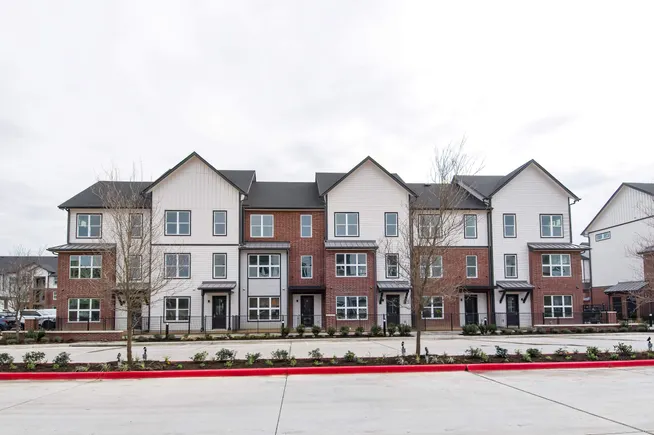
Apartment renewal rates are climbing, and an aging renter population is a big part of the story. The median renter age has risen from 36 in 2000 to 42 in 2024, and older renters simply have less motivation to pack up and move — the cost, the hassle, and the lifestyle disruption just aren't worth it. Build-to-rent communities are accelerating this trend, offering the extra space and low-maintenance living that older renters are actively seeking out, with AvalonBay noting that 45% of its 50+ residents plan to rent for life.
That said, aging demographics aren't the only force at play — sky-high home prices, record mortgage rates, and a broader cultural shift toward renting as a long-term lifestyle choice are all keeping residents in place longer. The result is a multifamily sector with growing pricing power on renewals and a resident base that's more stable than ever.
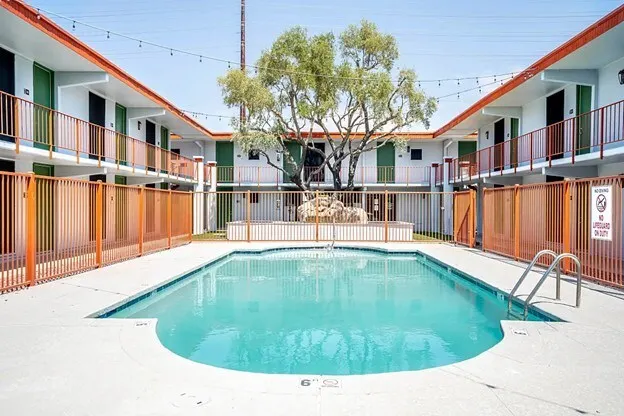
Multifamily loan delinquencies have hit their highest point since the global financial crisis, reaching 1.37% in Q3 2025 — a 3.4x jump in just two years. The culprit is a familiar one: floating-rate loans taken out during the low-rate frenzy of 2021 and 2022 are now colliding with rising operating costs and stagnant rent growth, leaving many borrowers stretched thin. Unlike the GFC, today's stress is concentrated rather than broad-based, hitting properties bought at peak prices with short-term debt the hardest — but experts warn delinquencies will keep climbing as borrowers run out of short-term fixes.
The silver lining? Savvy investors are already circling, with firms like American Landmark and Neighborhood Ventures raising dedicated funds to scoop up distressed assets in high-growth markets. A reset is underway, and for those with dry powder, the opportunities are starting to materialize.
Content I found insightful:
I get asked all the time “how do you choose a market” & to be honest it’s pretty simple
— The Real Estate God (@TheRealEstateG6) February 4, 2026
Instead of approaching it from the statistical perspective, I approach it from the “can I actually find a deal in this market” perspective
Here’s how I choose a market to invest in:
First…
This sums up exactly why we like the southern NH market… we’re operating in a less sophisticated, lower competition market where we can identify mispricings and have more control over the outcome of each investment (vs. relying on longer-term market growth).
Podcast episode I want to highlight:
In this solo episode, I break down one of the most overlooked—and misunderstood—parts of multifamily ownership: when you spend your CapEx. I talk about why the common “wait until it breaks” approach often creates more headaches, higher costs, and unnecessary operational friction over the long run. Instead, I explain why leading with your CapEx early in a hold period can create a more stable property, smoother operations, and fewer surprises as you scale.
I also dive into why I like to intentionally over-renovate one of the first few units at a property. By pushing finishes and rents early, you can quickly test what the market will actually bear and dial in your renovation strategy before rolling it out across the rest of the asset. This episode is very tactical and rooted in real-world experience, especially for investors managing value-add or long-term hold multifamily deals who want to simplify operations and make smarter decisions early on.
You can also listen to this episode on Spotify.
Business update I found relevant:

I’m excited to share that we’ve officially closed the final round of funding for the NH Multifamily Fund III, bringing total capital raised to $4.2M since launch.
Since launching the fund in July 2025, we’ve now closed on 8 deals totaling 72 units across New Hampshire. Along the way, we’ve made meaningful progress in executing our business plans, including updating common areas, renovating and leasing units, and bringing legacy rents closer to market. This steady execution has helped de-risk the portfolio while keeping us well ahead of our original projections.
As always, we’re incredibly grateful to the investors who trusted us with their capital. I’m looking forward to sharing more updates as we continue to execute across the portfolio and build on the momentum we’ve created.
If you’re enjoying the newsletter, the best way to support it is simple: share it with someone who’d find it valuable—another investor, operator, or anyone looking to learn more about multifamily real estate. Your word of mouth makes a huge difference.
Did someone forward you this email? Subscribe here.
Software we use to run our real estate business:
Note: Some of the links above are affiliate links.