
Hey there,
I hope you had a great weekend!
Every other Monday, I send out a roundup of the most relevant multifamily news and insights, curated from the perspective of both an operator and a passive investor.
Here's what stood out to me this week
News I found interesting:
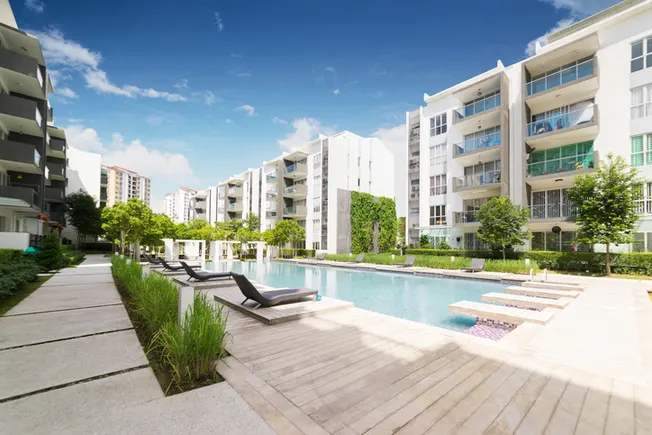
Apartment sales volume took a notable hit in January 2026, dropping 25% year over year to $8 billion, with declines across every property subtype. Mid- and high-rise trades fell 39% while garden properties dropped 15%. Despite the slow start, this dip doesn't appear to signal weakening confidence in the market, as prices have actually been climbing steadily for the past nine months, falling only a marginal 0.1% year over year overall. Industry professionals who had hoped 2025 would mark a turning point are staying cautiously optimistic, pointing to a major deal on the horizon: Veris Residential's $3.4 billion acquisition by an Affinius Capital-led consortium, expected to close in Q2 and likely to give transaction volume a meaningful boost.
Perhaps the biggest storyline developing is the return of institutional capital; insurance companies, pension funds, and opportunity funds, which accounted for 25% of purchases last year and are showing their strongest appetite for multifamily in years. If that momentum holds, the "cast of players" in the market could shift significantly, with private investors, who dominated acquisitions over the past few years, potentially ceding ground back to the institutional heavyweights.
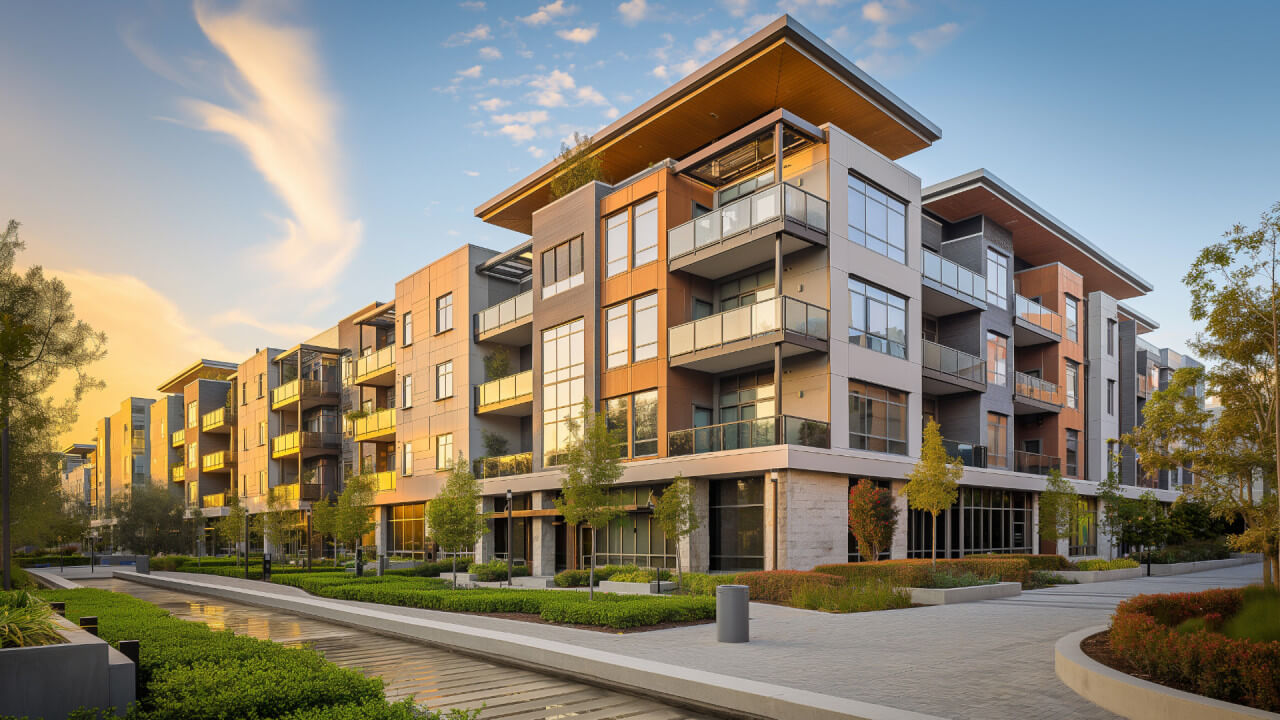
Multifamily marketing in 2026 has fundamentally shifted; renters are forming opinions and narrowing their choices long before they ever visit a property's website or leasing office, making visibility, accuracy, and speed more critical than ever. A strong strategy now requires a true multichannel presence spanning paid search, SEO, social, ILS platforms, and reputation management, all working together rather than in silos. AI and automation are no longer nice-to-haves; from virtual leasing agents handling inquiries around the clock to predictive campaign optimization that dynamically reallocates budget based on real intent signals, technology is now central to how competitive operators run their marketing.
On the measurement side, the metrics that matter most tie directly to leasing outcomes — cost per lease, lead-to-tour conversion rates, and response time — and budgets should stay flexible enough to shift as performance data evolves. The bottom line: properties that invest in a clean digital foundation, fast lead response, and AI-powered tools will have a meaningful edge over those still running static, gut-feel marketing strategies.
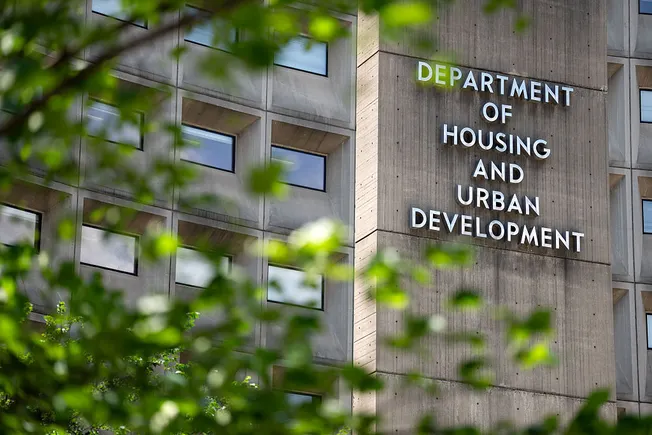
The first few months of 2026 have been a whirlwind for federal housing policy, with both the White House and HUD making moves that are sending ripples through the multifamily industry. On the legislative front, a major bipartisan package — the 21st Century ROAD to Housing Act — was released in early March, representing what could be the largest housing bill in decades, combining provisions aimed at boosting housing supply and, notably, barring large institutional investors from purchasing single-family homes. That investor ban traces back to a January Truth Social post from President Trump, which he has since reinforced in both his Davos speech and State of the Union address.
Meanwhile, HUD has been busy on the regulatory side, rolling back the 30-day eviction notice requirement, enabling public housing agencies to impose work requirements and term limits, ordering citizenship verification for roughly 200,000 tenants, and proposing rules that would bar families of mixed immigration status from living in agency-supported housing. For multifamily operators, the policy landscape in 2026 is moving fast, and staying informed on these developments will be essential as the legislative and regulatory picture continues to take shape.
Content I found insightful:
4 years ago I sent out a postcard mailer campaign for my brokerage business to a list of targeted small apartment buildings.
— Multifamily Madness (@MultifamilyMad) February 12, 2026
A few months ago an owner called me saying they got my post card 4 years ago, kept it on their fridge and were now ready to sell their small apartment…
Podcast episode I want to highlight:
In this episode, I sit down with John Makarewicz, President and Head of Operations at Faris Capital Partners, to talk about what truly separates great operators from the rest in today’s increasingly competitive multifamily landscape. John shares his journey from helping scale one of the largest residential brokerages in the Southeast to building Faris Capital Partners, a firm focused on delivering exceptional experiences for both residents and investors. We discuss how sponsors can de-commoditize themselves as general partners by prioritizing transparency, communication, and disciplined execution across every stage of a deal.
We also dive into the fundamentals of strong asset management and the systems that support it. John explains why being on-site immediately after acquisition can make a major difference in building trust with residents and understanding the true dynamics of a property. We talk through how to effectively manage third-party property managers, align incentives across teams, and focus on operational excellence as the real driver of long-term NOI growth. If you’re an operator—or aspiring to become one—this episode is packed with practical insights on raising the bar in multifamily execution.
You can also listen to this episode on Spotify.
Business update I found relevant:

For this month’s business update, I wanted to share a quick progress report on one of the properties we acquired late last year.
In October 2025, we closed on the purchase of 16 Avon Street in Manchester, NH, a six-unit property that our team sourced direct-to-seller. We closed this deal within the NH Multifamily Fund III, of which we just raised the final round of funding.
This deal is a great example of the types of deals we pursue: a well-located property in a strong neighborhood, owned by a long-term landlord ready to retire, with only light renovations needed to unlock value. When we acquired the property, the average rent across the building was roughly $870/unit. Just five months later, we’ve renovated and leased 3/6 apartments at an average rent of $1,550/unit, while renewing leases on the remaining units at an average of $1,400, with another increase already in motion.
In other words, we’ve effectively completed the core of our value-add business plan in less than six months. That execution puts us in a position to refinance the property 6–12 months ahead of schedule, which is an excellent outcome for the deal and our LPs.
If you’re enjoying the newsletter, the best way to support it is simple: share it with someone who’d find it valuable—another investor, operator, or anyone looking to learn more about multifamily real estate. Your word of mouth makes a huge difference.
Did someone forward you this email? Subscribe here.
Software we use to run our real estate business:
Note: Some of the links above are affiliate links.